Why Your Skin Turns Red: From Barrier Stress To Microbiome Imbalance
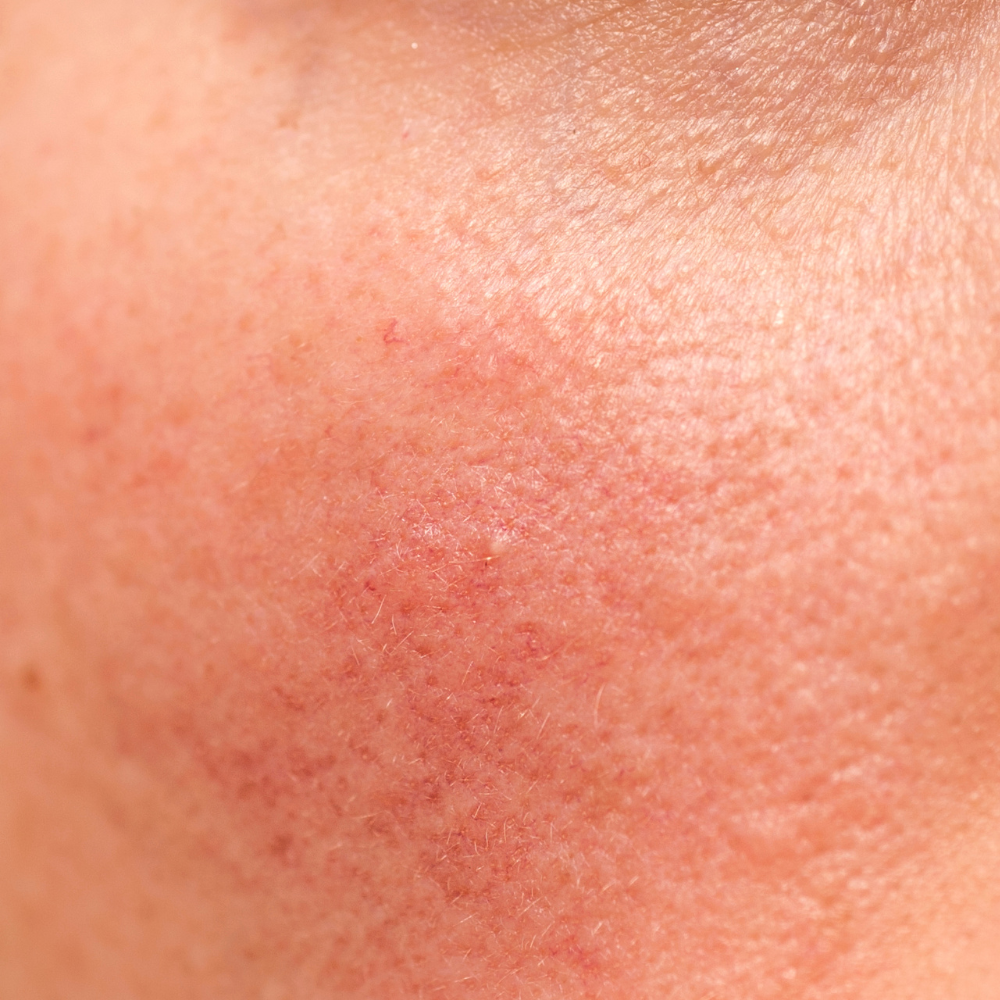
You are not imagining it: more people are dealing with sudden flushing, lingering redness and skin that feels “hot” or reactive for no obvious reason. Redness is your skin’s way of telling you something in its environment, routine or internal balance needs attention. When you understand what is actually happening underneath the surface, it becomes much easier to calm things down without attacking your skin in the process.
The most common everyday causes of redness
Many things can turn your face red, from classic culprits like sunburn and acne to less obvious triggers like stress, hot drinks or strong skincare. Dermatology groups highlight that heat, wind, UV exposure, spicy food, alcohol, harsh products, and sudden temperature changes can all dilate blood vessels and irritate the skin, leading to flushing or persistent redness. For some people, allergies or contact dermatitis from fragrances, hair dyes, detergents or certain cosmetic ingredients are also big players.
On top of that, conditions such as rosacea, eczema and other inflammatory skin diseases can show up as chronic redness, visible blood vessels or rash-like patches, especially on the cheeks and nose. If redness is severe, painful, or simply does not settle with gentle care, it is always worth speaking to a professional to rule out these underlying conditions.
What your skin barrier has to do with it
Your skin barrier – the outermost layer of your skin – is built to act like a shield and a seal. It protects you from external irritants like pollution, harsh weather and strong ingredients, and it helps lock in moisture so your skin feels supple instead of tight. When the barrier is compromised, irritants penetrate more easily and water escapes faster, which can result in redness, stinging and that “my face just feels angry” sensation.
Common things that weaken the barrier include over-cleansing, frequent use of strong exfoliants or retinoids, and using cleansers or scrubs that are too harsh for your skin type. Skin-care brands and dermatology sources consistently recommend stepping back to gentle, pH-balanced cleansing, regular moisturising with hydrating and barrier-supporting ingredients, and daily sun protection to help restore comfort and reduce redness over time.
The role of your skin’s microbiome
Sitting on top of your barrier is your skin microbiome – a community of bacteria, fungi and other microorganisms that live on the surface of your skin. When this ecosystem is diverse and balanced, it helps defend against pathogens, supports barrier function and keeps inflammation in check. Research suggests that when the microbiome is disrupted (a state called dysbiosis), it can contribute to issues like acne, rosacea, dermatitis, increased dehydration and redness.
External factors such as pollution, aggressive cleansers, overuse of antibacterial products and ageing can disturb this microbial balance, leaving skin more prone to irritation and visible redness. Emerging studies also link the gut microbiome and inflammatory skin conditions, indicating that internal imbalances may play a role in chronic flushing or rosacea for some people. This is why microbiome-supportive skincare and a “less is more” routine can be so powerful for red, stressed skin.
Triggers you can actually control
You cannot control your genetics or the weather, but there are practical levers you can pull day-to-day to reduce flare-ups. Derm and health sources often recommend: avoiding very hot water on the face, limiting time in saunas and hot tubs, moderating alcohol and spicy foods, and protecting your skin from strong sun and wind. On the product side, choosing fragrance-free or low-fragrance formulas, stepping away from harsh scrubs, and not layering too many strong actives at once can make a noticeable difference.
If your redness is linked to a condition like rosacea, flare-ups may still happen, but identifying your personal triggers and working with a gentle, barrier-focused routine can help keep things far more manageable. Think of it as working with your skin’s natural defences – barrier + microbiome – instead of constantly asking it to recover from irritation.