Skincare During Perimenopause & Menopause: Supporting Your Skin Through Change
Perimenopause and menopause can bring changes that feel unfamiliar. Your skin may suddenly feel drier, more sensitive, less firm or prone to breakouts — sometimes all at once.
This is not simply a case of “getting older.” As hormone levels fluctuate during perimenopause and decline through menopause, they can affect the skin’s hydration, collagen, oil production and barrier function. Lower oestrogen is associated with increased water loss from the skin, reduced collagen and thinner, less elastic skin.
At Biome, we believe skincare during this stage should feel supportive, not overwhelming. The goal is not to chase every visible change. It is to give skin what it needs to feel hydrated, comfortable and resilient.
Why Skin Changes During Perimenopause and Menopause
Perimenopause is the transition leading up to menopause, when hormone levels can fluctuate significantly. During this time, you may notice your skin becoming less predictable.
Some people experience dryness and sensitivity for the first time, while others notice adult breakouts, congestion or increased redness. It is also common to have a combination of concerns — such as an oily T-zone with dry cheeks, or blemishes alongside dehydration and fine lines.
As oestrogen levels decline, skin can produce less collagen and may become less effective at retaining moisture. This may contribute to:
- Dryness, tightness, flaking or itching
- Increased sensitivity and redness
- A weaker or more easily disrupted skin barrier
- Fine lines and changes in elasticity
- Dullness, uneven tone and rougher texture
Adult breakouts or rosacea-like flare-upsSkin that feels thinner or more fragile
These changes are common, but that does not mean you need to tolerate uncomfortable skin. A gentle, consistent routine can make a meaningful difference in how your skin feels day to day.
The Skin Barrier and Microbiome
Your skin barrier is the outermost layer of skin. It works to keep moisture in and help protect skin from external stressors, such as pollution, weather, friction and potentially irritating skincare products.
Your skin is also home to a diverse ecosystem of microorganisms called the skin microbiome. When the barrier is supported, the skin is often better able to maintain a balanced, comfortable environment.
Hormonal changes can affect oil production, hydration, pH and barrier lipids — all factors that influence the skin’s environment. Emerging research suggests menopausal status may also be associated with changes in the facial skin microbiome, though more research is needed to understand exactly what this means for everyday skincare.
That is why this is not the time to over-cleanse, over-exfoliate or constantly introduce new strong treatments. Instead, focus on helping the skin hold onto moisture and maintain the conditions it needs to function well.
Your Perimenopause & Menopause Skincare Routine
A good routine does not need to be complicated. In fact, when skin is dry, sensitive or reactive, simplifying your skincare can be one of the most helpful things you do.
1. Cleanse Gently
Start with a gentle cleanser that removes sunscreen, makeup and daily buildup without leaving your skin feeling tight or squeaky-clean.
If your skin is dry or sensitive, avoid harsh foaming cleansers, abrasive scrubs and very hot water. These can remove too much of the skin’s natural oil and make dryness or irritation feel worse.
In the morning, a water rinse or gentle cleanse may be enough. In the evening, take the time to cleanse thoroughly but gently, particularly if you wear makeup or sunscreen.
2. Add Hydration
Hydration is about bringing water into the skin. Ingredients such as glycerin, hyaluronic acid and panthenol can help skin feel more plump, comfortable and refreshed.
Apply a hydrating serum to slightly damp skin after cleansing, then follow with a moisturiser to help lock that hydration in.
If your skin still feels dry after applying hydrating products, it may be asking for more than water alone. It may need barrier-supporting lipids and a moisturiser that helps reduce ongoing moisture loss.
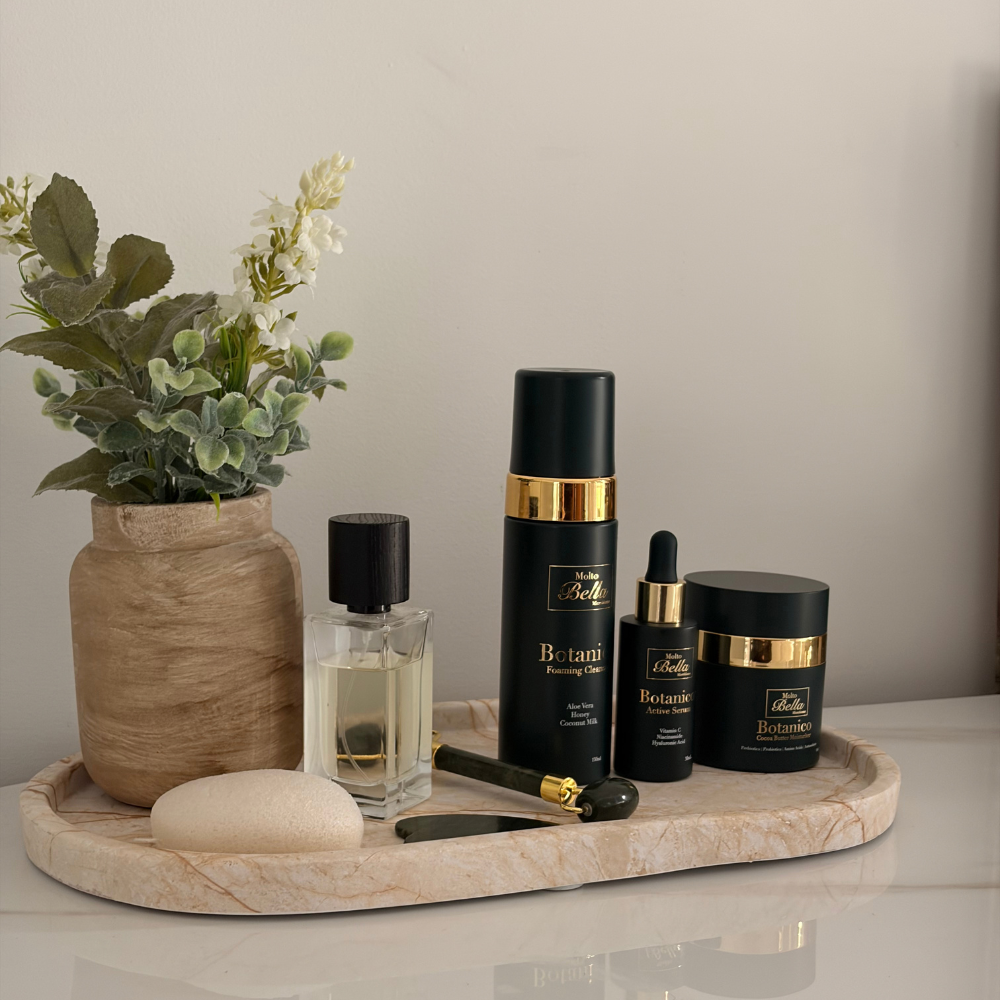
3. Support the Barrier With Molto
This is where Molto Bella fits into your routine.
During perimenopause and menopause, a nourishing moisturiser can become an essential daily step. Skin may produce less oil, feel more vulnerable to moisture loss and become more reactive to the products that previously worked well.
Molto is designed to sit at the centre of a barrier-first routine. Apply it after your serums to help seal in hydration, support the skin barrier and leave skin feeling comfortable, cushioned and cared for.
Use Molto to help:
- Replenish moisture after cleansing
- Lock in hydration from your serums
- Support skin when it feels dry, tight, sensitive or reactive
- Comfort dry-prone areas such as the cheeks, around the mouth and neck
- Simplify your routine with one nourishing, everyday moisturising step
In the morning, apply Molto before sunscreen. In the evening, use it as the final step in your routine to help support overnight recovery.
4. Introduce Actives Slowly
Retinoids, vitamin C, exfoliating acids and other targeted ingredients can still have a place in your routine. However, hormonal changes can make skin more sensitive, so it is important to introduce actives slowly and use them consistently rather than excessively.
If your skin has become reactive, try reducing frequency before switching to a stronger product. For example, start a retinoid one or two nights per week rather than using it nightly.
Avoid layering multiple strong actives in the same routine, particularly if you are already dealing with dryness, stinging or redness. Healthy-looking skin starts with a supported barrier — not an overloaded routine.
On active nights, Molto can be used after your treatment step to help keep skin feeling comfortable. If you are very sensitive, you may prefer to apply a light layer of Molto before and after your active product. This is sometimes called the “moisturiser sandwich” approach.
5. Wear Sunscreen Every Day
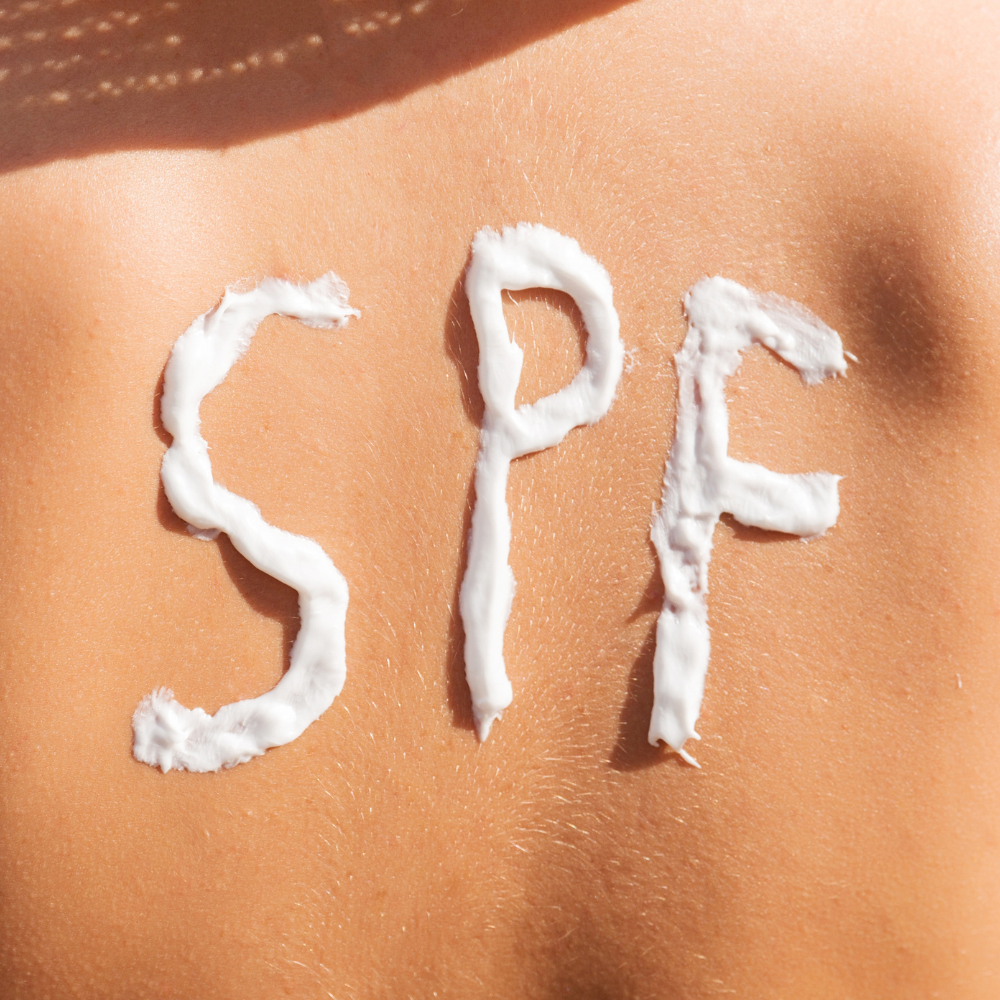
Daily broad-spectrum SPF 30 or higher is one of the most important steps for protecting skin through every stage of life.
Sun exposure contributes to collagen breakdown, uneven tone and visible signs of skin ageing. It can also make pigment changes more noticeable, particularly when skin is already changing due to hormonal shifts.
Supporting Your Skin Through Change
Perimenopause and menopause can bring new skin concerns, but your routine does not need to become complicated. Focus on gentle cleansing, consistent hydration, barrier support and daily sunscreen to help your skin feel comfortable, nourished and resilient through every stage of change.
Molto Bella is designed to be that dependable moisturising step — helping to seal in hydration and support skin when it feels dry, sensitive or less predictable. Keep your routine simple, listen to what your skin needs and give it the consistency it deserves.
shopify